


The difference between a record summer and a stressful one usually comes down to one thing: capacity.
Missed calls. Longer wait times. Techs stretched too thin. Jobs you could have run but didn’t have the people for. So how do you solve your capacity problem? You jump straight into hiring.
But that rushed, unstructured hiring is exactly why you’re still struggling.
The issue isn’t whether you’re hiring. It’s how your hiring process breaks down under pressure. And for most contractors, it comes down to these three mistakes.
Hiring mistake #1: interviewing too soon
One of the biggest timewasters we see is interviewing candidates before they’ve been properly vetted.
If you’re booking interviews with anyone who has a resume or walks in looking for a job, you’re not running a hiring process. You’re reacting. And that reaction leads to poor hires, faster terminations, wasted training time, and more stress for a team that’s already stretched thin.
Instead, your interview process needs to start before the interview ever happens.
Here’s what that looks like:
- Vet before you interview with a proper resume screening. Look for anything that would automatically disqualify them. Review previous jobs and timeframes, education, and certifications. Take note of anything that looks inconsistent. People do lie on resumes, so focus on finding reasons not to interview them, not the other way around. This makes you more selective and protects your time.
- Use an employee assessment. Our benchmarks are built on data from over 30,000 successful hires. The assessment tells you if the candidate has the right motivations, interests, abilities, and personality for the role. You are not just hiring skills. You are hiring fit.

- Conduct skills testing to confirm they can actually do the job. QuickBooks tests for a bookkeeper, CSR simulations, or technical evaluations for field staff all help validate a candidate’s true ability.
When you stop interviewing too soon, you take control of your process and dramatically improve the quality of your hiring decisions.
Hiring mistake #2: interviewing without a strategy
Even when contractors become more selective about who they interview, many still approach the interview itself like a conversation at Starbucks! That is the wrong way.
They rely on gut instinct, first impressions, and initial rapport instead of structure. That opens the door to emotional bias. It’s human nature, but it leads to hires that are NOT the right fit.
Without strategy, interviews lack direction. Questions stay surface-level. Red flags get rationalized. And without preparation, you also risk asking illegal questions around topics like family status, background, or personal information. Hiring laws have changed significantly in the last 10 -15 years, and many legal issues stem directly from the interview process.

So, what should you do instead?
Start by creating structure before the interview begins.
- Define what success looks like. Look at your top performers and identify the traits that make them successful. Build your company-specific top traits and ask questions that uncover whether the candidate actually has them.
- Ask questions that reveal real past behavior and decision-making. Use a mix of softball and hardball questions to keep candidates at ease while still digging deeper.

- Use a consistent evaluation method. A hiring matrix or scorecard allows you to compare candidates objectively instead of relying on emotion.
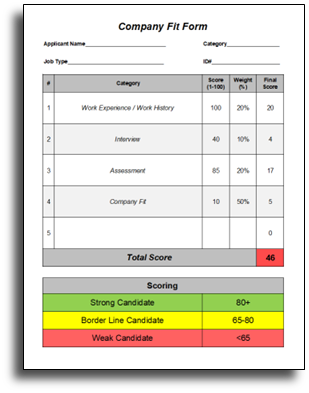
When your interviews are structured, you stop hiring based on feelings and start hiring based on evidence.
Hiring mistake #3: onboarding wrong
Most contractors think the risk ends once the offer is accepted. In reality, that’s where the biggest risk begins.
If your onboarding process is weak, you will lose people quickly.
Think about it from the new hire’s perspective. Making a job change is a high-risk decision, especially for an experienced technician with a family. Even if they are unhappy where they are, it’s still familiar whereas joining your company requires a leap of faith.
Your job is to make that decision feel as low risk as possible by creating an intentional onboarding process:
- Create a structured onboarding plan with clear milestones.
- Bring them up to speed on your processes. Train them on your systems, payroll, time-off requests, time tracking, and dispatch processes.
- Build in regular check-ins to address issues early. Ask if the role matches their expectations and if you are meeting yours as an employer.
- Provide at least one week of structured training. They should know exactly what they are doing each day. Spend time with them early to build confidence and set expectations. Show them your operation is organized and intentional.
- Develop a clear career path before they even start. Help them see where they can go in 5 to 10 years and how they can grow their compensation through achievement.

When onboarding is done right, you build confidence, reduce risk, and create long-term employees.
Stop your hiring mistakes from showing up all summer
The challenges most HVAC companies face in June, July, and August start now.
Fast hiring decisions. Unstructured interviews. Weak onboarding.
Don’t let your shop fall victim to the rushed hiring mentality. The contractors that perform best this summer aren’t the ones scrambling to hire. They are the ones who fixed their process before the pressure hit.
At Recruit4Business, we help you fix your hiring process so you can build the right team and go into summer prepared. If you want to get ahead of the rush, reach out for a quick 15-minute hiring consultation and get your shop ready for the season.
The post The 3 hiring mistakes HVAC contractors make before summer (that cost you all season) appeared first on ACCA HVAC Blog.